

Women's intimate wellness is an important part of overall health, comfort and quality of life. Changes in vaginal sensation, pelvic floor strength or intimate comfort can occur for different reasons, including childbirth, ageing and hormonal changes. Understanding these changes and the available treatment options can help women make informed healthcare decisions.
If you are researching Vaginal tightening treatment in Jayanagar, it is important to understand what vaginal laxity means, why it may occur, which treatment options are available and how to choose a qualified healthcare professional.
At Splendore Aesthetics, women can explore their intimate wellness concerns and seek guidance about appropriate care options. The clinic is located in HSR Layout, Bangalore, and patients should contact the clinic to confirm the availability of specific intimate wellness services before booking an appointment.
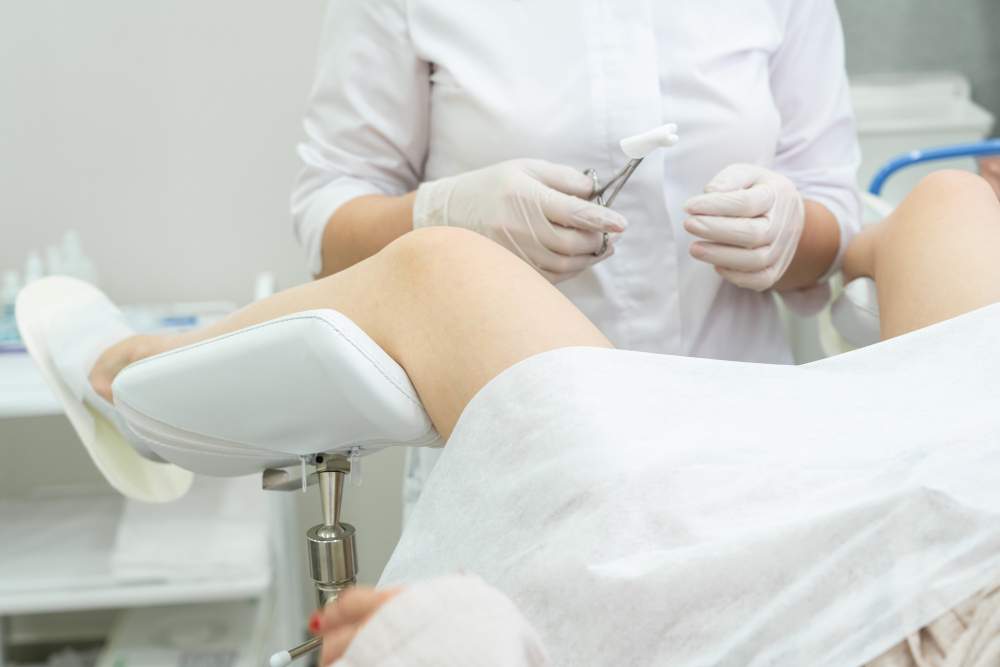
This comprehensive guide explains the causes of vaginal laxity, non-surgical and medical treatment options, important safety considerations, and questions to ask during a consultation.
Vaginal tightening is a general term used to describe approaches intended to address concerns associated with vaginal laxity or changes in pelvic floor function. The appropriate approach depends on the individual's symptoms, medical history and underlying condition.
Some women notice changes in vaginal sensation after childbirth, while others experience pelvic floor weakness, vaginal dryness or discomfort during intimacy. These concerns may have different causes and should not automatically be treated as the same condition.
A medical consultation can help determine whether the symptoms are associated with pelvic floor muscle dysfunction, hormonal changes, pelvic organ prolapse or another underlying issue. Treatment may involve pelvic floor muscle training, supervised physiotherapy, medical management or selected procedures when clinically appropriate.
The primary objective should be to improve a woman's health and comfort rather than pursue a particular appearance or promise a specific outcome.
Understanding the possible causes of vaginal laxity is an important first step towards choosing an appropriate treatment approach.
Pregnancy and vaginal delivery can affect the pelvic floor muscles and supporting tissues. Some women experience changes in muscle strength, vaginal sensation or pelvic support following childbirth.
Recovery varies from person to person. While some women improve naturally over time, others may benefit from an assessment by a gynaecologist or pelvic floor physiotherapist.
Women experiencing persistent discomfort, urinary leakage, pelvic heaviness or other postpartum symptoms should seek appropriate medical advice.
The pelvic floor consists of muscles and connective tissues that support the pelvic organs and contribute to bladder, bowel and sexual function. When these muscles are weak or do not coordinate properly, some women may experience symptoms affecting everyday activities or intimate comfort.
A trained healthcare professional can assess pelvic floor function and determine whether supervised exercises or physiotherapy may be beneficial.
Hormonal changes associated with perimenopause and menopause can affect vaginal tissues, lubrication and comfort. Symptoms such as dryness, irritation or painful intercourse may require a different treatment approach from pelvic floor weakness.
A qualified clinician can help distinguish between these concerns and discuss appropriate management options.
Pelvic organ prolapse and other pelvic floor conditions can cause pelvic pressure, heaviness, a bulge or changes in vaginal sensation. These symptoms should be evaluated by a qualified medical professional because the appropriate treatment depends on the underlying condition.
A personalised assessment is more useful than selecting a procedure based solely on online descriptions or promotional claims.
Women researching intimate wellness treatments may encounter several options. However, no single treatment is appropriate for everyone, and the evidence supporting different approaches varies.
Pelvic floor muscle training may help improve muscle strength and function in appropriate patients. A trained pelvic floor physiotherapist can assess muscle coordination, guide correct exercise techniques and develop an individualised programme.
Physiotherapy may be particularly relevant for women experiencing pelvic floor weakness or selected postpartum symptoms.
It is important to perform the correct exercises for the underlying condition. Some women have pelvic floor muscles that are overly tense rather than weak, so strengthening exercises may not be appropriate for everyone.
Some clinics offer energy-based procedures, including laser or radiofrequency treatments, marketed for vaginal rejuvenation. However, evidence supporting these procedures for vaginal laxity remains limited, and their long-term safety and effectiveness are not established for all intended uses.
Potential complications may include burns, pain, scarring, irritation and changes in sensation. Women should ask about the evidence, regulatory status, alternatives and procedure-specific risks before considering these treatments.
A qualified clinician should explain what a proposed procedure is intended to address, what outcomes are realistic and whether a better-supported alternative is available.
When symptoms are associated with menopause, vaginal dryness or another medical condition, treatment may focus on the underlying cause rather than tightening.
Depending on the diagnosis, a clinician may discuss appropriate moisturisers, lubricants, prescription treatments or other management options. The suitability of any medication or treatment depends on individual health circumstances and should be assessed by a qualified professional.
Surgical treatment may be considered for certain diagnosed conditions, including selected cases of pelvic organ prolapse or other pelvic floor problems. Surgery is not necessary for every woman experiencing vaginal laxity.
It requires a careful discussion of expected benefits, limitations, recovery time, complications and non-surgical alternatives. A specialist can help determine whether surgery is appropriate after evaluating the patient's symptoms and goals.
A consultation may be helpful for women who:
• Notice changes in vaginal sensation after childbirth.
• Have concerns about pelvic floor muscle strength.
• Experience vaginal dryness or discomfort during intimacy.
• Notice pelvic pressure, heaviness or a vaginal bulge.
• Want to understand the benefits and limitations of vaginal rejuvenation procedures.
• Have questions about postpartum recovery or menopause-related symptoms.
• Want professional guidance before deciding whether treatment is necessary.
Experiencing these concerns does not automatically mean that a woman needs a procedure. Some symptoms may improve with conservative care, while others may require further investigation.
A confidential discussion with a qualified healthcare professional can help identify appropriate next steps.
Choosing a clinic for an intimate wellness consultation requires careful consideration. Beyond location and convenience, patients should look for professional qualifications, transparent communication and appropriate clinical assessment.
Ask about the qualifications and relevant experience of the professional who will assess your concerns and perform any proposed procedure. The clinician should be able to explain the diagnosis, treatment options, expected outcomes and potential complications in clear language.
A responsible clinic should consider your symptoms, medical history, previous pregnancies, hormonal status and treatment goals before recommending a particular approach.
Be cautious of providers who recommend the same procedure to everyone or promise guaranteed results.
Ask whether the recommended treatment has reliable clinical evidence supporting its intended use. Understand the possible side effects, recovery requirements, follow-up arrangements and alternatives before making a decision.
Intimate health concerns should be discussed in a respectful and professional environment. You should receive clear explanations about any recommended examination or procedure and have the opportunity to ask questions.
Your informed consent should be obtained before proceeding.
Before booking with Splendore Aesthetics, contact the clinic to confirm whether the specific intimate wellness consultation or procedure you are considering is currently available.
The clinic's published location is HSR Layout, Bangalore. Patients travelling from Jayanagar should verify the address, appointment availability and consultation details directly with the clinic.
Splendore Aesthetics is an aesthetic care clinic in Bangalore. When considering any intimate wellness service, patients should prioritise appropriate clinical assessment, clear information and treatment recommendations supported by evidence.
Before proceeding with a consultation, patients can ask the clinic about:
• The qualifications of the professional providing the service.
• Whether the clinic assesses their particular symptoms or concerns.
• Which treatment options are available and clinically appropriate.
• The benefits, limitations and risks of each option.
• Consultation fees, procedure costs and follow-up care.
• Privacy practices and the arrangements for confidential consultations.
These questions can help patients make informed decisions and understand whether the available services meet their needs.
Any procedure-specific claims, practitioner credentials or treatment availability should be verified directly with the clinic before booking.
A consultation generally begins with a discussion of your symptoms, medical history and treatment goals. Depending on the concerns you describe, the healthcare professional may recommend an examination or further assessment.
They should explain why it is needed, discuss any alternatives and obtain your consent.
After the assessment, the clinician may explain suitable management options, including conservative approaches where appropriate. You should be given time to consider the information and ask questions before deciding whether to proceed.
A good consultation should provide realistic expectations rather than pressure you into an immediate treatment decision.
Women searching for vaginal tightening treatment in Jayanagar can look for qualified gynaecologists or appropriately trained medical professionals who assess vaginal laxity and pelvic floor concerns. Splendore Aesthetics is located in HSR Layout, Bangalore, so contact the clinic to confirm whether the relevant consultation or treatment is available.
The most appropriate option depends on the cause of the symptoms. Pelvic floor muscle training may help some women, while others may need medical management or specialist treatment for an underlying condition. An individual assessment is important before choosing an approach.
Safety depends on the specific treatment, the clinician's qualifications and the patient's medical circumstances. Evidence for some energy-based vaginal rejuvenation procedures remains limited. Discuss the known risks, expected benefits and alternatives with a qualified healthcare professional before proceeding.
Yes. Pregnancy and vaginal delivery can affect pelvic floor muscles and supporting tissues. Some women experience changes in vaginal sensation or pelvic floor function after childbirth. A clinician or trained pelvic floor physiotherapist can advise on appropriate assessment and recovery options.
The cost varies according to the consultation, treatment method, number of sessions and follow-up requirements. Contact the clinic for current pricing and request a clear breakdown of the total expected cost before making a decision.
The terms are sometimes used interchangeably, but they may refer to different treatments and goals. Vaginal rejuvenation is a broad term, whereas treatment for pelvic floor weakness, vaginal dryness or prolapse may require different approaches. Ask the clinician to explain the specific procedure being recommended.
A qualified gynaecologist is a suitable starting point for vaginal laxity concerns. Depending on the symptoms, a pelvic floor physiotherapist or another relevant specialist may also be appropriate.
Prepare a brief history of your symptoms, when they began, any related childbirth or menopause changes, previous treatments and relevant medical conditions. Write down your questions and ask about benefits, risks, costs and alternatives.
If you are researching vaginal tightening treatment in Jayanagar, start by understanding your symptoms and seeking advice from an appropriately qualified healthcare professional.
Splendore Aesthetics is located in HSR Layout, Bangalore. Contact the clinic to confirm available services, discuss consultation arrangements and understand whether it can address your specific concerns.
This article is intended for educational purposes only. It does not replace professional medical advice, diagnosis or treatment. Individual suitability and expected outcomes must be assessed by a qualified healthcare professional.