

Hair fall is a common concern affecting both men and women. From excessive hair shedding and reduced hair volume to a widening parting and a receding hairline, changes in hair density can influence confidence and overall appearance. Although losing some hair every day is normal, persistent or excessive shedding may indicate an underlying issue that requires professional attention.
If you are searching for Hair fall treatment in Jayanagar , understanding the reasons behind hair loss is an important first step. The right approach depends on the cause, the pattern of hair thinning, your medical history, and the condition of your scalp. A personalised assessment can help determine whether lifestyle changes, medical treatment, scalp care, or other interventions may be appropriate.
At Splendore Aesthetics , individuals interested in improving their hair and scalp health can seek information about suitable aesthetic and hair-care options. Treatment recommendations should always be based on an appropriate professional assessment rather than a one-size-fitsall solution.
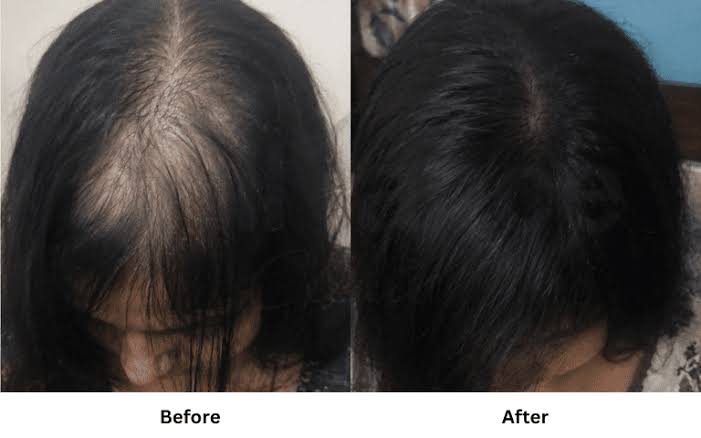
Hair growth occurs in a natural cycle consisting of growth, transition, and resting phases. At the end of the cycle, older hairs shed and new hairs begin to grow. However, when this cycle is disrupted or hair follicles become progressively smaller, noticeable thinning may develop. Identifying the underlying cause is essential because different types of hair loss require different approaches.
Physical or emotional stress can affect the hair growth cycle. Significant stress, illness, surgery, rapid weight loss, or major life changes may trigger a condition called telogen effluvium, in which more hairs than usual enter the resting phase. Hair shedding often becomes noticeable a few months after the triggering event.
In many cases, it improves once the underlying cause is addressed, although recovery may take several months. Maintaining a consistent sleep schedule, eating balanced meals, exercising regularly, and managing stress can support overall hair health.
Hair follicles require adequate nutrients to support normal growth. Low iron levels, insufficient protein intake, and certain vitamin deficiencies may contribute to hair shedding in some individuals. Restrictive diets and rapid weight-loss programmes can also affect hair health.
Rather than taking supplements without guidance, consider consulting a healthcare professional who can assess your diet and recommend blood tests when appropriate. Supplements are generally most useful when a specific deficiency has been identified.
Hormonal changes associated with pregnancy, childbirth, menopause, thyroid disorders, or other medical conditions can influence hair growth. Androgenetic alopecia, commonly known as pattern hair loss, is another frequent cause. It is associated with genetic susceptibility and the gradual miniaturisation of hair follicles.
In men, this may appear as a receding hairline or thinning at the crown. In women, it may present as reduced density around the parting or general thinning across the top of the scalp. Early assessment can help identify the pattern and determine which treatments may be suitable.
Dandruff, inflammation, certain scalp infections, and other dermatological conditions can affect scalp comfort and sometimes contribute to hair shedding. Frequent heat styling, harsh chemical treatments, tight hairstyles, and excessive pulling may also damage the hair shaft or contribute to traction alopecia.
Gentle hair care can reduce preventable damage, but persistent itching, redness, scaling, pain, or patchy hair loss should be assessed by a qualified professional.
Searching for a solution is easier when you understand what is causing the problem. A treatment that works for hereditary pattern hair loss may not address shedding caused by an iron deficiency or an inflammatory scalp condition.
A proper assessment may include a discussion of your symptoms, medical history, medications, family history, diet, recent illnesses, and hair-care routine. Depending on the findings, a clinician may examine the scalp and hair density or recommend selected blood tests.
A professional assessment generally aims to establish:
• The pattern of hair loss : Whether thinning is diffuse, patchy, concentrated around the hairline, or visible at the crown.
• The duration of symptoms : Whether shedding started recently or has progressed over several months or years.
• Possible contributing factors : Including recent illness, nutritional concerns, hormonal changes, stress, and medication use.
• Scalp health : Whether inflammation, scaling, infection, or other visible changes require attention.
• Suitable next steps : Such as further investigation, medical treatment, scalp care, or referral to a dermatologist.
Not everyone needs the same tests or treatments. A personalised plan should reflect the suspected cause and the individual's health needs.
Several approaches are available for different types of hair loss. Their suitability, expected benefits, and potential side effects vary.
Topical minoxidil is an established treatment for certain forms of pattern hair loss. It may help slow hair thinning and support regrowth in suitable individuals. Results are gradual and commonly require several months of consistent use. Continued treatment is generally needed to maintain benefits.
Some people experience temporary increased shedding when starting treatment, as well as scalp irritation or other side effects. A healthcare professional can help determine whether minoxidil is appropriate, particularly for people who are pregnant, breastfeeding, have scalp conditions, or use other medications.
Certain prescription medicines may be considered for specific types of hair loss. For example, finasteride may be prescribed for eligible men with androgenetic alopecia. Other treatments may be appropriate in selected circumstances under specialist supervision.
These medicines are not suitable for everyone and can have side effects or important pregnancy-related precautions. They should not be started, stopped, or combined without professional advice.
The correct medicine depends on the diagnosis, age, sex, medical history, and individual risk factors.
Platelet-rich plasma, or PRP, is a procedure in which a sample of the patient's blood is processed to concentrate platelets before the prepared material is injected into selected areas of the scalp.
PRP is being studied and used as an option for some individuals with hair thinning, particularly certain forms of pattern hair loss. Evidence suggests potential benefits in some patients, but treatment protocols and results vary, and the quality of supporting evidence is not uniform.
Possible side effects include temporary discomfort, swelling, bruising, and tenderness. A qualified clinician should explain the evidence, risks, expected number of sessions, and likely costs before treatment.
PRP is not a guaranteed solution and may not be suitable for every cause of hair loss.
Low-level light therapy devices are sometimes used to support hair growth in selected people with pattern hair loss. The evidence and effectiveness vary according to the device, treatment schedule, and individual circumstances.
People considering this option should ask about the evidence for the specific device, its safety, the expected timeline, and whether it is appropriate for their diagnosis.
It should not replace medical evaluation when hair loss is sudden, severe, patchy, or associated with scalp inflammation.
When hair loss is linked to a nutritional deficiency or medical condition, addressing that problem is an important part of treatment. For example, a clinician may recommend correcting confirmed iron deficiency, improving protein intake, or treating an identified thyroid disorder.
These interventions address the contributing cause rather than simply focusing on the visible symptom. Taking high doses of vitamins without evidence of deficiency may be ineffective and can sometimes cause harm.
Hair transplantation may be considered for some people with stable pattern hair loss who have sufficient donor hair and realistic expectations. The procedure involves moving hair follicles from a donor area to selected areas of thinning.
It requires careful assessment, and outcomes depend on factors such as the underlying diagnosis, donor density, surgical planning, and long-term progression of hair loss.
A transplant does not prevent future thinning in untreated areas. A qualified hair-restoration specialist should discuss suitability, limitations, risks, recovery, and long-term planning.
When comparing providers, look beyond promotional claims and focus on clinical suitability, transparency, and patient safety.
Find out who will assess your scalp and perform any proposed procedure. Ask about their qualifications, relevant experience, and the clinical basis for the recommended treatment.
Hair loss can have medical causes, so unexplained or persistent symptoms may require assessment by a dermatologist or another appropriately qualified healthcare professional.
A responsible provider should explain the suspected cause of your hair loss and why a particular treatment may help. You should also receive clear information about the expected timeline, number of sessions if applicable, potential side effects, maintenance requirements, and alternative options.
Ask for a written breakdown of consultation charges, treatment costs, follow-up appointments, and any maintenance expenses.
Be cautious of claims promising guaranteed regrowth, permanent results from a single session, or identical outcomes for every patient. Hair growth is gradual, and results differ according to the cause and severity of hair loss.
For procedures involving injections or other clinical interventions, ask about infection-control practices, equipment standards, practitioner qualifications, and aftercare support.
Clear instructions for managing discomfort, recognising complications, and arranging follow-up care are important parts of a safe treatment experience.
Splendore Aesthetics is a name to consider when exploring aesthetic care options and learning about suitable services for your concerns. Before choosing any hair-related procedure, confirm whether the clinic currently offers the specific service you need and whether an appropriately qualified professional can assess your condition.
For people comparing options for hair thinning, useful questions include:
• Is an initial hair and scalp consultation available?
• Who evaluates the cause of hair loss?
• Which treatments are currently offered, and who performs them?
• What evidence supports the recommended approach?
• What are the expected results, risks, costs, and maintenance requirements?
• Will referral to a dermatologist be recommended if the problem appears medical?
The answers can help you make an informed decision based on your needs rather than relying solely on advertisements or before-and-after photographs.
If you are considering Hair Fall Treatment in Jayanagar, verify the clinic's current address, service availability, and practitioner qualifications before booking. Do not assume that every provider offers PRP, laser therapy, prescription treatment, or hair transplantation.
Professional treatment may be only one part of a comprehensive approach. Everyday habits can help maintain scalp health and reduce avoidable hair damage.
Include a variety of protein sources, vegetables, fruit, whole grains, and appropriate sources of iron and other essential nutrients. If you follow a restrictive diet, consider discussing your nutritional needs with a qualified healthcare professional.
Limit frequent high-temperature styling, bleaching, and harsh chemical treatments. Use a suitable heat protectant when styling and avoid pulling or brushing wet hair aggressively.
Select shampoo and conditioner according to your scalp and hair type. A gentle routine may help reduce breakage and irritation, but shampoos alone generally cannot reverse hereditary hair loss.
If you have persistent dandruff or scalp inflammation, seek advice about an appropriate treatment rather than repeatedly changing products.
Adequate sleep, regular physical activity, and practical stress-management techniques support general wellbeing. Although these habits cannot cure every form of hair loss, they may help address some contributing factors.
Take photographs under consistent lighting every few weeks or months to monitor changes in hair density. Record significant changes in health, diet, medication, or stress that may help a clinician understand the timeline.
Avoid judging results after only a few days. Hair growth cycles are slow, and meaningful changes often take several months.
Arrange a professional assessment if shedding persists, hair density continues to decline, or you notice a widening parting or receding hairline.
Seek prompt medical evaluation if hair loss develops suddenly, occurs in distinct patches, or is accompanied by scalp pain, significant redness, scaling, sores, or signs of infection.
Early assessment is particularly important when scarring hair loss is suspected because some causes can result in permanent follicle damage.
If you also experience unexplained fatigue, major weight changes, menstrual changes, or other new symptoms, tell your healthcare professional. These details may help identify a contributing medical condition.
There is no single best treatment for everyone. The right option depends on whether hair loss is caused by hereditary factors, a temporary shedding episode, a nutritional deficiency, a scalp condition, or another medical issue. Assessment helps guide the next steps.
The timeline varies. Some treatments require three to six months or longer before noticeable improvement can be assessed. Recovery from temporary shedding may also take several months after the triggering cause is addressed.
Not in every case. Some causes are reversible or manageable, while hereditary hair loss may require ongoing treatment to maintain improvement. A clinician can explain what is realistic for your particular condition.
No. Some individuals may benefit from PRP, but outcomes vary and the evidence is still developing. Suitability, potential risks, cost, and alternatives should be discussed with a qualified clinician.
Supplements may help when a confirmed deficiency contributes to hair shedding. They are not a universal solution, and unnecessary high-dose supplements may be harmful. Professional advice is recommended before starting them.
Consult a dermatologist if hair loss is persistent, progressive, sudden, patchy, or associated with scalp symptoms. A dermatologist can investigate possible medical causes and discuss evidence-based options.
Hair loss can have several causes, from temporary stress-related shedding to nutritional deficiencies, scalp conditions, and hereditary pattern hair loss. Understanding the cause is the foundation of an effective plan.
A thoughtful approach combines appropriate assessment, evidence-based treatment, realistic expectations, and consistent hair-care habits. Avoid choosing a procedure solely because it is popular or advertised as a quick fix.
If you are researching Hair Fall Treatment in Jayanagar, use your consultation to understand the diagnosis, compare suitable options, and discuss the benefits, limitations, and costs of each approach.
Contact Splendore Aesthetics to confirm its current hair-care services, location, and consultation arrangements before making an appointment. Healthy hair care begins with informed decisions, professional guidance, and a treatment plan designed around the individual.
This article is for general educational purposes and is not a substitute for individual medical advice, diagnosis, or treatment. Consult a qualified healthcare professional for persistent or unexplained hair loss.