

Unwanted hair is a common concern for people who want smoother skin and a more convenient personal-care routine. Shaving, waxing, threading, and depilatory creams can help manage hair temporarily, but they often require frequent repetition. Some methods may also cause irritation, ingrown hairs, or discomfort, particularly for people with sensitive skin.
Laser hair reduction offers a longer-term approach by using concentrated light energy to target pigment within hair follicles. With an appropriate treatment plan, it can help reduce unwanted hair growth over a series of sessions. However, results vary according to skin tone, hair colour, hormonal factors, the treatment device, and individual response.
If you are researching Laser hair removal in Jayanagar , understanding how the procedure works, who may benefit, how many sessions may be needed, and what safety precautions matter can help you make an informed decision.
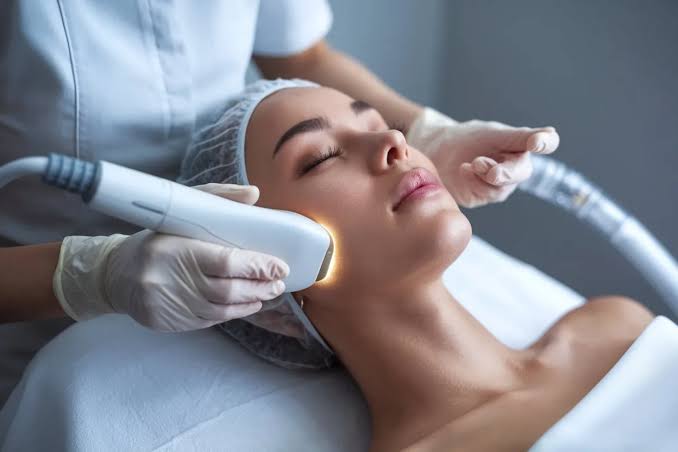
At Splendore Aesthetics , people exploring aesthetic skin-care options should confirm current service availability and arrange a consultation with a suitably qualified professional before choosing a treatment.
Laser hair removal is a cosmetic procedure that uses a specific wavelength of light to target melanin, the pigment present in hair. The absorbed light produces heat that damages structures involved in hair growth, helping reduce future hair production.
Because hair grows in different phases, not every follicle responds equally during a single appointment. Laser treatment is generally most effective when hairs are in the active growth phase, known as anagen. Multiple sessions are therefore needed to target follicles as they move through their growth cycles.
Modern laser systems may use different wavelengths and technologies to accommodate a range of skin tones and hair types. Selecting the appropriate device and settings is essential for balancing effectiveness and safety.
Laser treatment is more accurately described as long-term hair reduction , rather than guaranteed permanent hair removal. Many people experience a noticeable reduction in hair growth, and remaining hair may become finer or lighter. Maintenance sessions may be needed over time.
Hormonal changes, genetics, and certain medical conditions can contribute to new or continued hair growth. A qualified practitioner should explain the likely outcome based on your individual circumstances.
Laser hair reduction may suit people who want to manage unwanted hair on areas such as the face, underarms, arms, legs, back, chest, or bikini line.
• Skin tone : Different laser wavelengths interact differently with skin pigment. Device selection and settings should be appropriate for your skin.
• Hair colour : Darker hair generally responds better because it contains more melanin. Blonde, white, grey, and some red hairs may respond poorly to conventional laser systems.
• Hair thickness : Coarse, dark hair may respond differently from fine hair.
• Medical history : Certain skin conditions, medications, and health factors may affect treatment suitability.
• Recent tanning : Tanned skin can increase the risk of burns or pigment changes with some laser systems.
A consultation helps determine whether laser treatment is appropriate or whether another hair-management method may be more suitable.
Laser hair reduction is popular because it can simplify long-term hair management. The benefits depend on the treatment area, individual hair characteristics, and the quality of the treatment plan.
Unlike shaving, which cuts hair at the skin surface, laser treatment targets structures involved in hair growth. A course of sessions can reduce the number of actively growing hairs and may leave regrowth finer.
The amount of reduction varies. Some people respond more effectively than others, so results should be discussed realistically during consultation.
Once a suitable course is completed, many people find that they need to shave or wax less often. This can make personal grooming more convenient, particularly for larger treatment areas such as the legs or back.
However, some regrowth is possible, and occasional maintenance may be required.
Repeated shaving and waxing can contribute to ingrown hairs in some individuals. By reducing hair growth, laser treatment may help decrease this problem.
Persistent bumps, inflammation, or suspected infection should still be assessed by a healthcare professional, as not all skin bumps are caused by ingrown hairs.
Depending on the device and treatment plan, laser hair reduction may be used on several areas of the body. The face, underarms, arms, legs, back, chest, and bikini line are common examples.
Each area has different hair density, sensitivity, and treatment requirements. The practitioner should explain which areas are appropriate and how appointments will be scheduled.
For people who regularly spend time and money on waxing or shaving, a planned course of laser sessions may provide a convenient alternative. It is important to compare the full treatment cost, expected results, and potential maintenance needs rather than focusing only on the initial price.
Treatment areas vary according to individual needs and the services offered by the provider.
Laser hair reduction may be considered for areas such as the upper lip, chin, sideburns, and selected parts of the face. Facial hair can be influenced by hormonal conditions, so unexpected or rapidly increasing growth may warrant medical evaluation before treatment.
The underarms are a common treatment area. Many people choose laser reduction to decrease the frequency of shaving or waxing. The practitioner should assess skin sensitivity, pigmentation, and any active irritation before starting.
Larger areas such as the full arms, lower legs, or thighs may require longer appointments than small areas. The number of sessions depends on hair growth patterns and response to treatment.
Some people seek treatment for the bikini line, back, chest, or abdomen. Before treatment near sensitive areas, discuss exactly which areas will be covered, how privacy will be maintained, and what preparation is required.
There is no single session count that works for everyone. Many people need approximately six to eight sessions initially, although the actual number may be lower or higher depending on the treatment area, device, hair characteristics, and response.
Appointments are usually spaced several weeks apart to align with hair growth cycles. The interval may differ for the face and body.
Hair follicles do not all grow at the same time. A session can affect susceptible follicles, while other follicles may be in a resting or transitional phase.
Repeated appointments allow the practitioner to treat additional hairs as they enter a responsive growth phase. The treatment plan may be adjusted according to visible progress.
Some people notice slower regrowth or reduced hair density after their initial sessions. More substantial reduction usually develops gradually throughout the course.
Photographs taken under consistent lighting can help track progress. Your practitioner should review the results periodically and discuss whether the treatment settings or schedule need adjustment.
The cost of laser hair reduction varies by provider, treatment area, device, session duration, and number of appointments.
• Size of the treatment area : Small facial areas generally require less time than full legs or the back.
• Number of sessions : The overall cost depends on how many appointments are recommended.
• Technology used : Different laser systems have different capabilities and operating costs.
• Practitioner expertise : Training, assessment, and clinical supervision are important considerations.
• Maintenance requirements : Some people may need occasional additional sessions after their initial course.
When comparing prices, request a clear breakdown of what is included. Ask whether consultations, patch tests, follow-up appointments, and maintenance sessions are charged separately.
Avoid choosing a provider based solely on the lowest advertised price. Appropriate technology, qualified supervision, hygiene standards, and personalised settings are essential parts of safe treatment.
Preparation can help reduce avoidable irritation and support a safer treatment experience.
Practitioners commonly recommend avoiding waxing, threading, and plucking for several weeks before laser treatment because these methods remove the hair from the follicle that the laser needs to target.
Shaving is usually recommended shortly before the appointment, according to the clinic's instructions.
Recent tanning and sunburn can increase the risk of adverse skin reactions. Follow your practitioner's advice about sun exposure, tanning products, and sunscreen before and after treatment.
Tell the practitioner if you have recently travelled to a sunny location or experienced a sunburn.
Share information about prescription medicines, over-the-counter products, supplements, previous skin reactions, and any history of cold sores or other relevant conditions.
Some medications can increase photosensitivity. Do not stop prescribed medication on your own; ask the prescribing clinician or treating practitioner for guidance.
Unless instructed otherwise, the treatment area should be clean and free of makeup, deodorant, lotions, or other products that could interfere with treatment.
Follow the clinic's specific preparation instructions, as requirements may vary by area and device.
A typical appointment begins with a review of your medical history, skin type, hair characteristics, and treatment goals. The practitioner may inspect the area and perform a patch test when appropriate.
Protective eyewear should be used by both the patient and the practitioner. The skin is then treated using the selected device and settings.
You may feel a brief snapping or warm sensation during treatment. The level of discomfort varies by person and body area. Cooling systems or other comfort measures may be used, depending on the device.
After the session, temporary redness, warmth, or mild swelling around the follicles can occur. These effects generally settle within a short period, but persistent or severe symptoms require medical advice.
Aftercare helps reduce irritation and protects treated skin while it recovers.
Use a broad-spectrum sunscreen on exposed treated areas and follow advice about avoiding direct sun exposure. Sun protection is particularly important for areas prone to pigmentation changes.
Depending on the reaction and practitioner guidance, you may be advised to avoid hot showers, saunas, intense exercise, or other activities that increase skin heat for a short period.
Choose mild, non-irritating products and avoid harsh exfoliants or potentially irritating active ingredients until the skin has settled, as advised by your practitioner.
Do not scratch or pick at treated areas. If blisters, significant pain, persistent swelling, or unusual skin changes develop, seek prompt medical advice.
Skipping appointments or changing intervals without guidance may affect the overall plan. Attend follow-up visits so the practitioner can assess your response and determine whether further sessions are appropriate.
Selecting a provider requires more than comparing promotional offers. Safety, qualifications, suitable technology, and clear communication should be central to your decision.
Ask who will conduct the consultation and operate the device. Confirm that the person has appropriate training and experience with your skin tone and treatment area.
Find out which device is used and why it is suitable for your skin and hair. A responsible provider should explain the benefits, limitations, and risks without promising identical results for every person.
Ask about protective eyewear, equipment maintenance, skin assessment, patch testing where appropriate, and procedures for managing adverse reactions.
A trustworthy consultation should cover expected results, session intervals, cost, aftercare, contraindications, and possible side effects. Be cautious of claims that one session guarantees permanent hair removal.
Splendore Aesthetics is a brand to consider when researching aesthetic care options. Before booking a laser procedure, confirm the clinic's current location, whether laser hair reduction is available, the device used, and the qualifications of the professional responsible for treatment.
If you are comparing providers for Laser Hair Removal in Jayanagar, ask for a consultation that addresses your skin type, hair colour, treatment area, medical history, expected session count, and total cost.
• Is an initial skin and hair assessment available?
• Is a patch test recommended for my skin type?
• Which laser device is used, and why is it suitable for me?
• How many sessions may be needed, and how far apart will they be?
• What side effects should I watch for?
• What are the total costs and possible maintenance requirements?
Clear answers help you compare providers and make a decision based on safety, suitability, and realistic expectations.
Laser treatment can be performed on a range of skin tones when an appropriate device and settings are selected. The risk of burns or pigmentation changes depends on several factors, including recent tanning, device choice, and practitioner expertise. A personalised assessment is essential.
Discomfort varies by individual, treatment area, and device. People commonly describe a brief snapping or warm sensation. Cooling methods may improve comfort, but the procedure may still feel uncomfortable in sensitive areas.
Conventional laser systems rely on pigment in the hair, so white, grey, and very light-coloured hair often respond poorly. Discuss alternatives with a qualified practitioner if pigment-based laser treatment is unlikely to work.
Shaving is generally acceptable between appointments and is often preferred over waxing or plucking. Follow your practitioner's specific instructions for your treatment area.
Some regrowth may occur. Laser treatment usually aims for long-term reduction rather than a guarantee that every hair will disappear permanently. Maintenance sessions may be helpful for selected individuals.
Reducing hair growth may help decrease ingrown hairs in some people. However, persistent bumps, infection, or scarring should be evaluated by a healthcare professional to confirm the cause and choose appropriate care.
Laser hair reduction can be a useful option for people who want to manage unwanted hair and reduce their reliance on shaving or waxing. Its effectiveness depends on hair characteristics, skin tone, technology, treatment settings, and consistent follow-up.
Before proceeding, arrange a professional assessment, ask about realistic outcomes, understand the total cost, and follow preparation and aftercare instructions.
If you are exploring Laser Hair Removal in Jayanagar, contact Splendore Aesthetics to confirm current service availability, location, and consultation details. An informed decision based on individual suitability and safety is the best starting point for a confident aesthetic-care journey.
This article is for educational purposes only and does not replace personalised medical advice. Consult a qualified healthcare professional to determine whether laser hair reduction is appropriate for you.