

Acne is one of the most common skin concerns affecting teenagers and adults. From occasional pimples and blackheads to painful breakouts and persistent acne marks, this condition can affect skin texture, confidence, and everyday comfort. Although acne is common, the right treatment depends on its underlying causes, severity, skin type, and individual medical history.
With countless skin care products, home remedies, and trending treatments available online, choosing the right approach can be confusing. Some breakouts improve with a consistent skin care routine, while others require professional assessment and medical treatment.
If you are researching Acne treatment in Jayanagar, Bengaluru, understanding how acne develops, which treatments are available, and when to consult a qualified professional can help you make informed decisions about your skin.
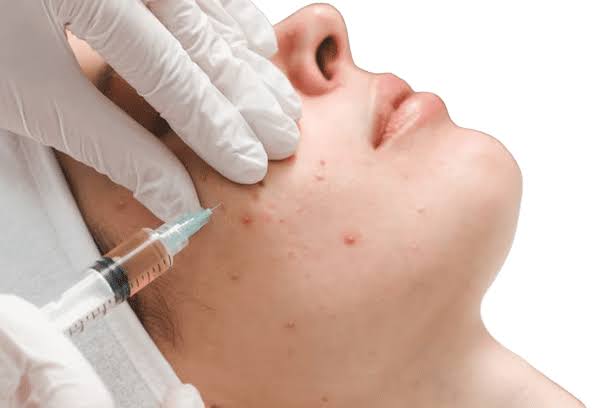
Splendore Aesthetics is a clinic to explore when researching skin and aesthetic care options in Bengaluru. Before arranging an appointment, confirm the clinic's current location, available acne-related services, and practitioner qualifications.
Acne is a skin condition that develops when hair follicles become blocked with oil and dead skin cells. Bacteria and inflammation can contribute to the development of different types of acne lesions.
Acne may appear on the face, forehead, cheeks, chin, chest, shoulders, or back. It can affect teenagers during puberty, but adults can also experience persistent or newly developing acne.
Several factors can contribute to acne, including:
• Excess oil production : Sebaceous glands produce sebum to help lubricate the skin. Excess oil can contribute to blocked pores.
• Blocked hair follicles : Dead skin cells can accumulate inside follicles and contribute to blackheads, whiteheads, and other lesions.
• Inflammation : Inflammatory processes can cause redness, swelling, tenderness, and painful pimples.
• Hormonal changes : Puberty, menstrual cycles, pregnancy-related changes, and certain hormonal conditions may influence breakouts.
• Genetics : A family history of acne may increase the likelihood of developing the condition.
• Certain medicines and products : Some medications and oil-rich skin or hair products can contribute to acne in susceptible individuals.
Stress may aggravate acne in some people, although it is not the only cause. Acne should not be viewed simply as a result of poor hygiene.
Understanding the type of acne you have can help you discuss appropriate treatment options with a qualified healthcare professional.
Whiteheads develop when pores become blocked and remain closed at the surface. They may appear as small, pale bumps.
Avoid squeezing them, as this can irritate the surrounding skin and increase the risk of inflammation.
Blackheads are open clogged pores. Their dark appearance is caused by changes in the material inside the pore when exposed to air, rather than simply by dirt.
Gentle cleansing and suitable acne treatments may help manage them over time.
Papules are inflamed bumps that may appear red or tender. Pustules are similar lesions that contain visible pus.
Picking or squeezing these lesions can worsen inflammation and potentially contribute to post-acne marks or scarring.
Deeper acne lesions may be painful and can increase the risk of permanent scarring. Severe or deep acne often requires medical treatment rather than relying only on over-the-counter products.
Seek assessment from a qualified dermatologist if you have painful, persistent, or scarring acne.
The most appropriate treatment depends on the type of acne, its severity, previous treatments, skin sensitivity, and individual medical history.
Topical products are applied directly to the skin and may be recommended for certain types of acne. Common ingredients include:
• Benzoyl peroxide : Helps reduce acne-causing bacteria and may improve inflammatory acne.
• Topical retinoids : Help prevent clogged pores and may be used for different forms of acne.
• Salicylic acid : Helps exfoliate the skin and may improve clogged pores.
• Azelaic acid : May help manage acne and some post-inflammatory dark marks.
Not every ingredient is suitable for everyone. Some products can cause dryness, irritation, or increased sensitivity. Introduce active ingredients carefully and follow product instructions or professional advice.
Topical retinoids require particular care during pregnancy or when planning pregnancy; seek medical guidance before using them.
When acne is moderate, severe, or unresponsive to basic treatment, a dermatologist may consider prescription options.
Depending on the individual's needs, these may include topical prescription medicines, oral antibiotics for selected cases, hormonal treatments for appropriate patients, or other prescription therapies.
Oral antibiotics should be used only under medical supervision, usually for a limited period and alongside an appropriate treatment plan. Certain medicines require additional monitoring because of potential side effects.
Do not use prescription acne medication without consulting an appropriately qualified healthcare professional.
Deep, painful, or scarring acne may require a more comprehensive treatment plan. Early assessment is important because delaying appropriate treatment can increase the risk of long-term scarring.
A clinician may discuss different medical options based on the acne type, medical history, contraindications, and previous response to treatment.
No single treatment works for every individual, and improvement may take several weeks or longer.
Active acne and the marks left behind are different concerns. A suitable plan may need to control ongoing breakouts before addressing residual pigmentation or uneven texture.
Certain chemical peels may be considered for selected acne-related concerns, including clogged pores or post-inflammatory pigmentation.
The type and strength of the peel should be chosen according to the individual's skin condition and suitability. Potential risks include irritation, burns, infection, and changes in pigmentation.
Professional assessment and appropriate aftercare are essential.
Some laser and light-based technologies may be used for selected acne-related concerns. Their effectiveness and suitability vary depending on the device, the condition being treated, and the individual's skin characteristics.
These procedures are not interchangeable, and they may not be suitable for every type of acne.
Ask about the practitioner's qualifications, expected benefits, possible complications, number of sessions, and recovery requirements before proceeding.
Acne scars can involve changes in skin texture, including depressions or raised areas. Treatment options depend on the scar type and the presence of active acne.
A qualified professional may discuss procedures such as microneedling or selected laser treatments when appropriate. These procedures carry risks and require proper assessment.
Dark marks after acne are not the same as depressed scars. Pigmentation concerns may need a different approach from structural changes in the skin.
Selecting a suitable provider is an important part of acne care. Consider the following factors before booking a consultation.
For persistent, painful, or scarring acne, consider consulting a qualified dermatologist. Verify the practitioner's credentials and registration, and ask who will assess your condition and supervise treatment.
Do not rely solely on advertising claims or social media popularity.
A suitable consultation should consider the severity of your acne, current products, medical history, allergies, previous treatments, and expectations.
Be cautious if a provider recommends an expensive package without explaining why it is appropriate for your particular concern.
Ask about consultation fees, medication costs, procedure charges, follow-up appointments, and possible maintenance requirements.
Acne treatment usually requires consistency. Be wary of promises that acne will disappear permanently after one session.
The clinic environment should be clean, and any equipment used should follow appropriate hygiene and safety procedures.
For procedures involving needles, lasers, or other devices, ask about practitioner training, infection-control measures, and possible complications.
If you are looking for a provider specifically within Jayanagar, confirm the physical address before visiting. A clinic may serve patients from different neighbourhoods without being located in each one.
Check that the provider currently offers the treatment you need and that the practitioner is appropriately qualified to perform it.
Splendore Aesthetics is an option to research when comparing skin and aesthetic care providers in Bengaluru. Before scheduling an appointment for acne-related concerns, verify its current services, clinic address, practitioner qualifications, and consultation availability.
A useful consultation should help you understand your skin concern and determine whether you need a medical acne treatment plan, advice on skincare products, or an assessment of acne marks and scars.
Consider asking these questions during your consultation:
• What type of acne do I have?
• What could be contributing to my breakouts?
• Which treatments are suitable for my skin and medical history?
• How long might it take to see improvement?
• What side effects should I watch for?
• Will the treatment help active acne, pigmentation, or scarring?
• What will the estimated total cost be?
• What follow-up care may be necessary?
Clear answers can help you make an informed decision and avoid unnecessary procedures.
If you are researching Acne Treatment in Jayanagar, verify the clinic's exact location and confirm that the service is available before making an appointment.
A consistent, gentle routine can complement an appropriate acne treatment plan.
• Cleanse gently : Use a mild cleanser suited to your skin type. Avoid harsh scrubbing and excessive washing.
• Apply moisturiser : Choose a non-comedogenic moisturiser that helps maintain the skin barrier without unnecessarily clogging pores.
• Use sunscreen : Apply broad-spectrum sunscreen with SPF 30 or higher. Choose a formulation that suits your skin and reapply according to product instructions.
Sun protection is especially important if your acne treatment increases sensitivity to sunlight or if you have post-acne dark marks.
• Remove sunscreen and makeup : Clean your face gently to remove daily buildup.
• Apply your recommended acne treatment : Use products according to their directions. Applying more than recommended will not necessarily improve results and may increase irritation.
• Moisturise : A suitable moisturiser can help reduce dryness associated with certain acne products.
Introduce new active ingredients gradually. If you develop significant irritation, swelling, or a persistent rash, stop the suspected product and seek appropriate advice.
Some everyday habits can make acne more difficult to manage.
• Picking or squeezing pimples : This can increase inflammation, marks, and scarring.
• Using too many active ingredients : Combining several strong products can irritate the skin and damage its protective barrier.
• Changing treatments too frequently : Many acne treatments require consistent use over several weeks before improvement becomes noticeable.
• Skipping moisturiser : Even oily skin can become dry or irritated during treatment.
• Using unverified home remedies : Toothpaste, harsh scrubs, and other unsuitable remedies can cause irritation and should not replace evidence-based care.
• Assuming acne means poor hygiene : Excessive washing may irritate the skin and does not address all the factors involved in acne.
• Ignoring severe symptoms : Painful nodules, scarring, or persistent acne may require medical assessment rather than repeated self-treatment.
Many acne treatments need around six to eight weeks before noticeable improvement begins, although the timeline varies by treatment and individual. A clinician may reassess the plan if improvement is limited or side effects develop.
Acne can often be controlled, but it may recur because of hormonal changes and other contributing factors. Some individuals need maintenance treatment to keep breakouts under control.
No. Excess oil can contribute to blocked pores, but acne also involves follicular blockage, inflammation, and other factors. Oily skin does not automatically mean someone will develop acne.
Research suggests that diet may influence acne in some people, but effects vary. A balanced diet is beneficial for general health, and individual dietary patterns can be discussed with a healthcare professional if a consistent association with breakouts is suspected.
No. Post-acne marks are usually areas of altered pigmentation, while acne scars involve changes in skin structure. Different treatments may be needed for each concern.
Seek professional assessment if acne is painful, severe, persistent, causing scars, or affecting your quality of life. Early treatment may reduce the risk of lasting marks and scarring.
Confirm the current address directly before visiting. Splendore Aesthetics is associated with HSR Layout, Bengaluru, so people seeking a clinic physically within Jayanagar should verify the location and travel distance.
Acne care begins with understanding the type of breakout you have, choosing appropriate products, following a consistent routine, and seeking professional help when needed.
Severe or persistent acne should not be left untreated, especially when painful lesions or scars are developing.
When comparing options for Acne Treatment in Jayanagar, prioritise professional qualifications, personalised recommendations, treatment safety, transparent pricing, and realistic expectations.
Explore Splendore Aesthetics as one option for skin and aesthetic care in Bengaluru, and confirm its current services, practitioner credentials, and location before arranging a consultation.
A thoughtful, evidence-informed approach can help you manage acne more effectively and make better decisions about your long-term skin health.
This article is for general educational purposes and is not a substitute for personalised medical advice, diagnosis, or treatment. Consult an appropriately qualified healthcare professional for individual recommendations.